Edmonds, Washington · City Guide
Edmonds City Guide(Neighborhoods, Living & Local Market)
Waterfront living, the arts scene, ferries, beaches, neighborhood profiles, schools, and the current market for one of Puget Sound’s most charming towns — everything you need before you buy, sell, or relocate to Edmonds.
Living in Edmonds: Preserving Heritage While Engineering the Future
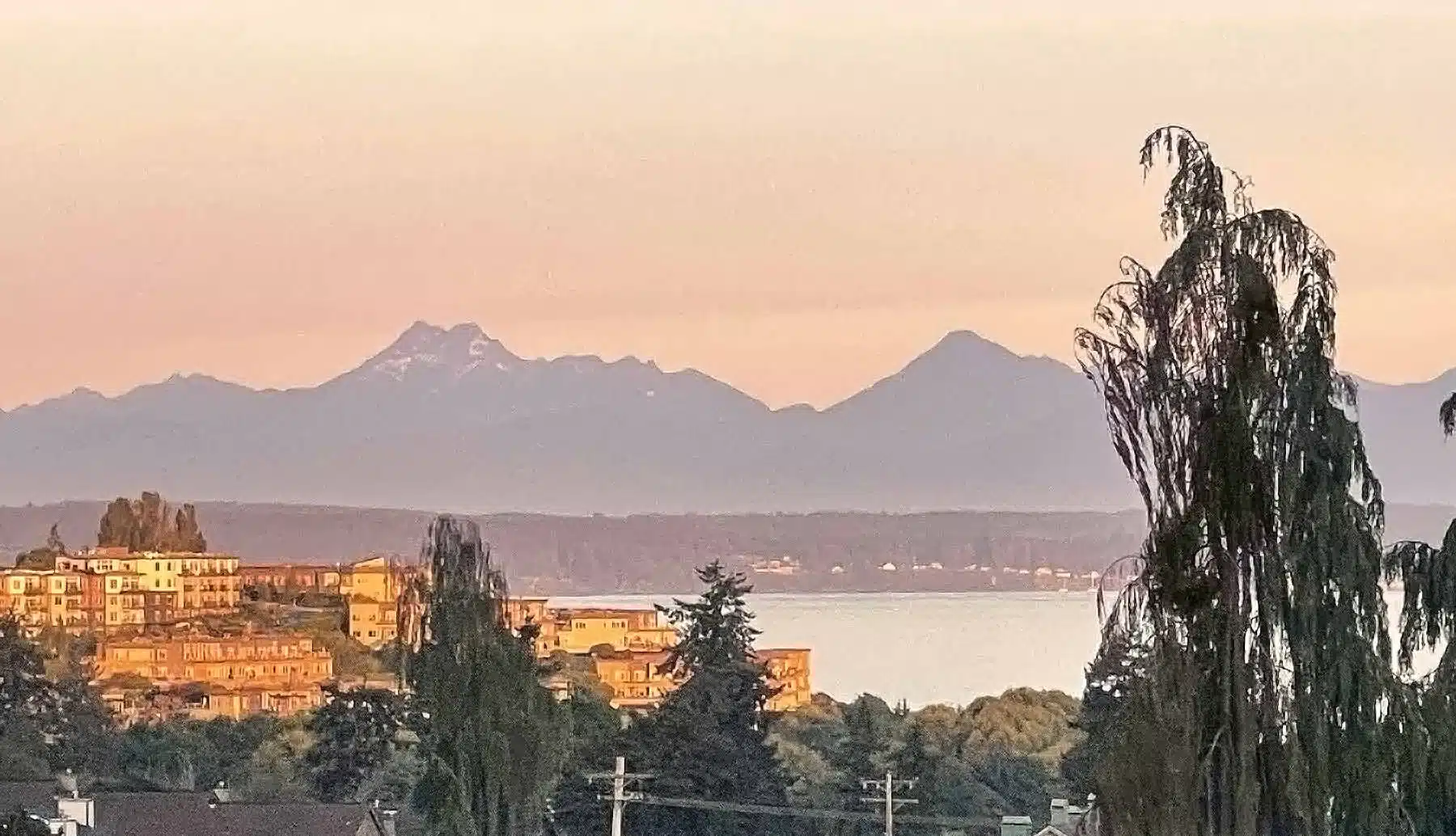
Edmonds is a market defined by its commitment to visual integrity and strategic growth. Navigating the Bowl in 2026 requires a working knowledge of the city’s strict View Corridor protections, which regulate tree heights and rooflines to preserve the iconic vistas of the Olympic Mountains and Puget Sound. My job is to make sure that whether you’re buying on the ridge or closer to the water, your investment is protected by — and benefits from — these unique preservation standards. The ongoing expansion of the Waterfront Walkway continues to enhance the city’s already exceptional walkability and keeps Edmonds at the forefront of “Blue Space” living.
Beyond the historic core, the Highway 99 Revitalization Project is the city’s most significant investment in the missing-middle housing market. The corridor transformation is creating modern, higher-density residential opportunities that offer a more accessible entry point into Edmonds without sacrificing connectivity. Tracking these infrastructure shifts — from revitalized corridors to the protected waterfront — is how I help my clients capitalize on Edmonds’ evolving landscape.
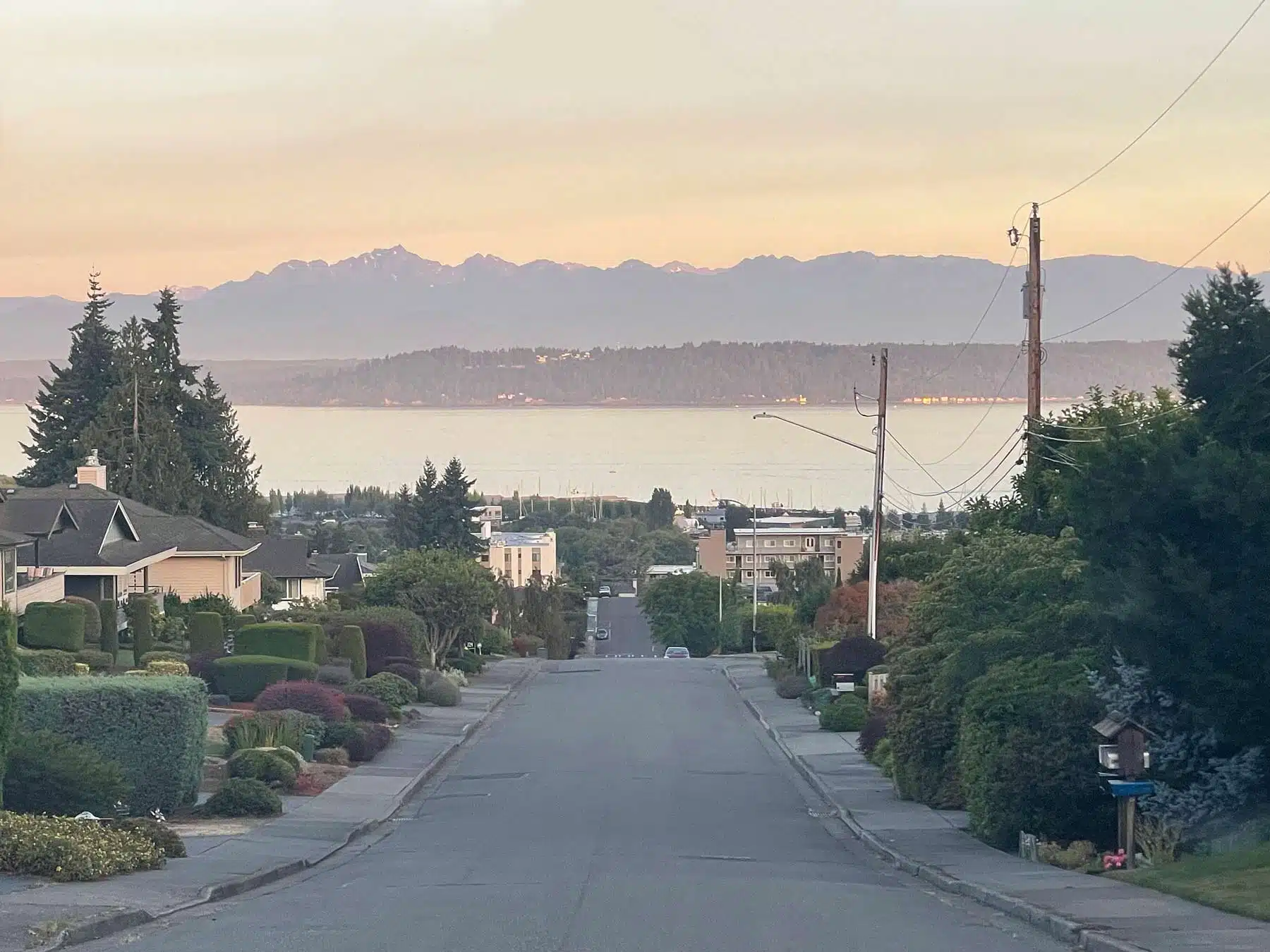
Why People Are Moving to Edmonds, WA
Edmonds sits 18 miles north of Seattle — close enough for an easy commute, far enough to feel like a genuine community. Roughly 42,600 residents share 8.94 square miles, giving the city the density of a real downtown and the feel of a tight-knit neighborhood at the same time.
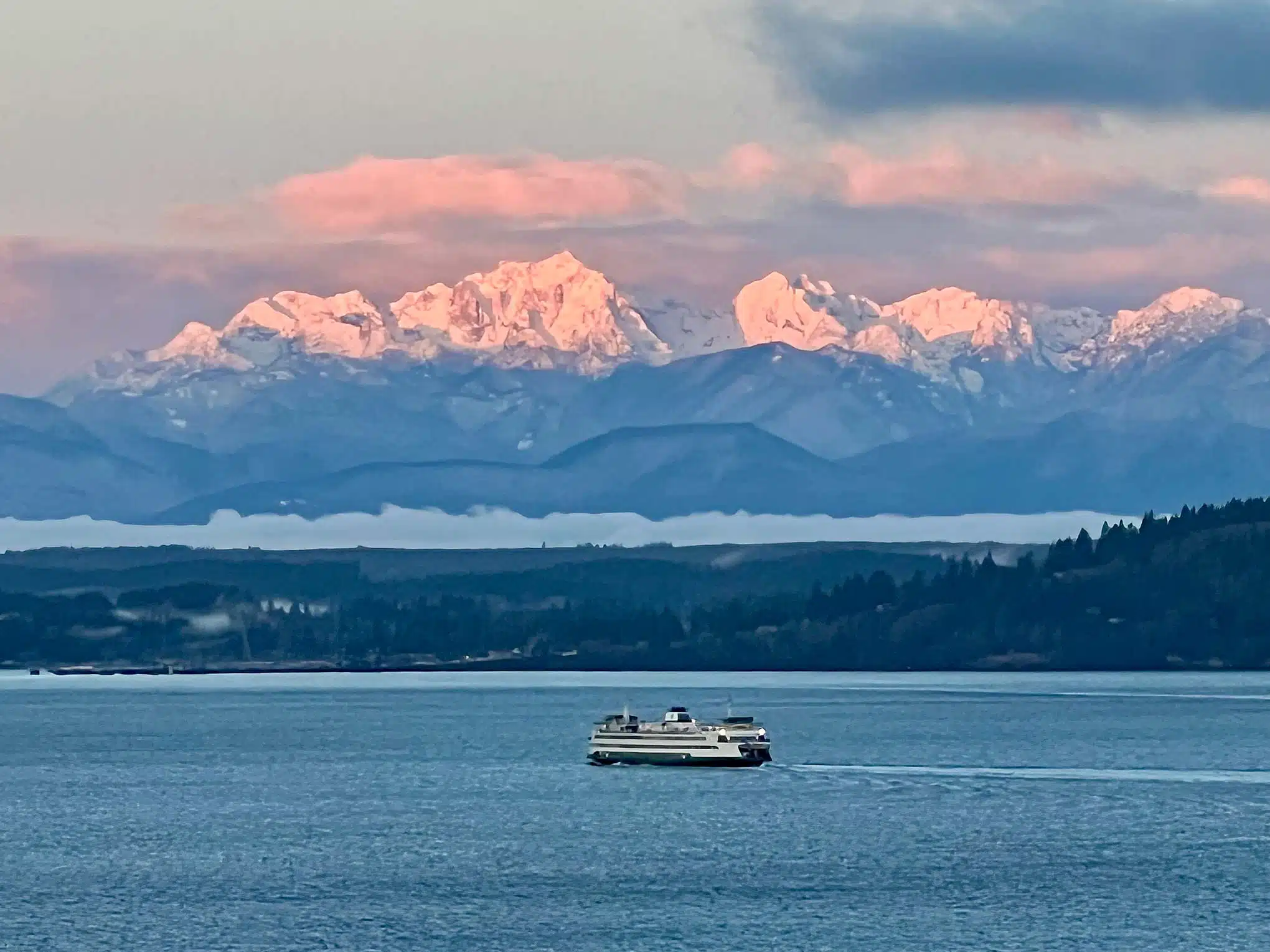
What draws people here:
- Waterfront access and unobstructed Olympic Mountain views
- A walkable, arts-forward downtown. With fun restaurants.
- Schools in the Edmonds School District, private school options.
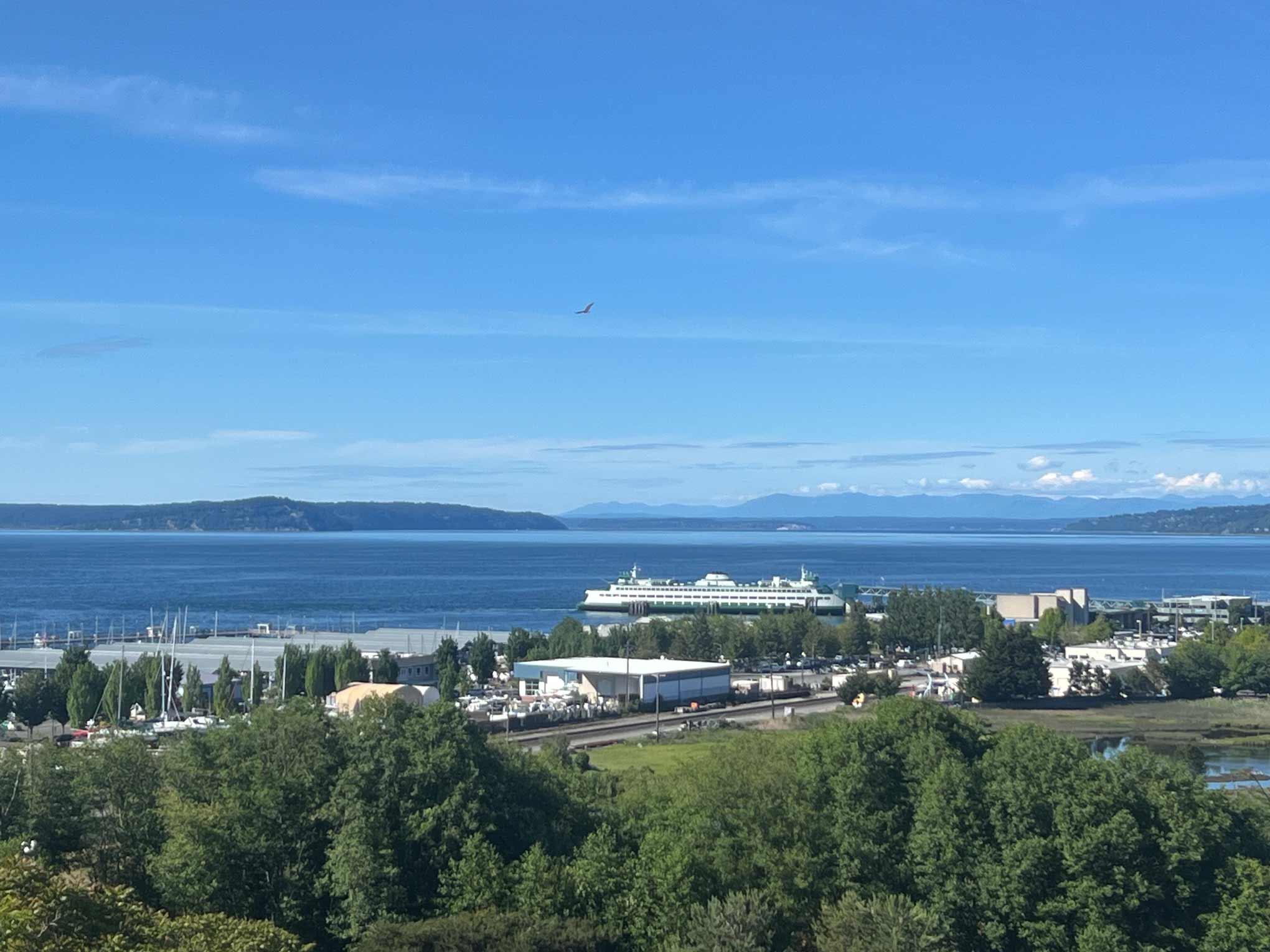
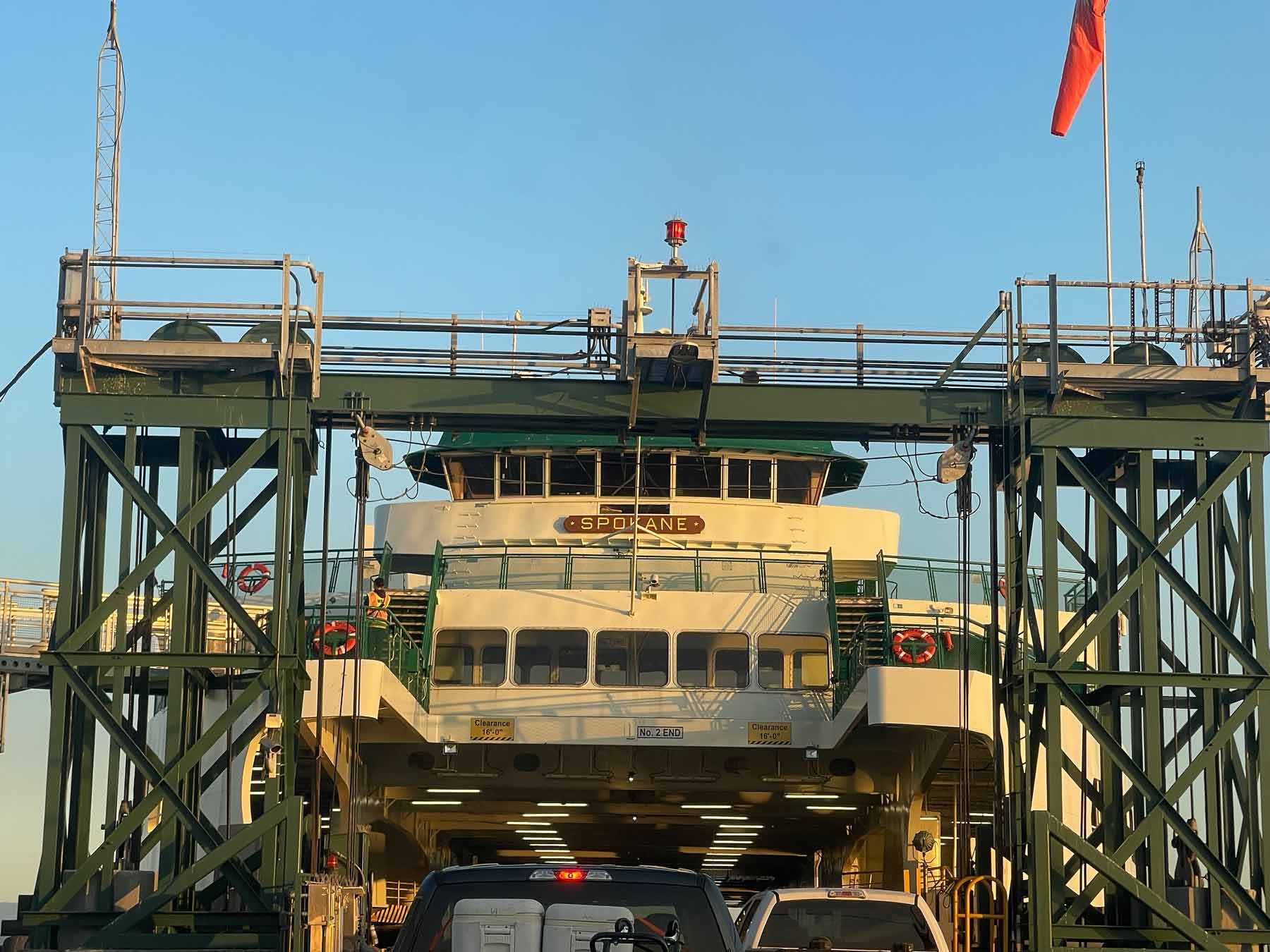
- Daily ferry service to Kingston on the Olympic Peninsula
- Practical commutes to major employers in Seattle, Bellevue, and Redmond
- A genuine sense of community year-round
- One of the better small-city restaurant scenes in Western Washington!
Edmonds, WA Real Estate Market
Is Edmonds a good place to buy a home?
Yes — and the long-term data backs it up. Edmonds has shown consistent appreciation driven by limited inventory, durable demand, and the city’s enduring appeal as a coastal community with rare amenities. Waterfront and view properties consistently command a premium above the median.
For current pricing, days-on-market, and inventory trends — updated monthly from NWMLS — see my Edmonds Market Pulse page.
How Edmonds Compares to Nearby Markets (Data through June 2026)
Median sales price, price per square foot, and median days on market across Edmonds and its 5 closest NWMLS markets. Open any city for its full Market Pulse.
| City | Median Sales Price | Price / SqFt | Median Days on Market |
|---|---|---|---|
| Edmonds Home market | $1,149,975 baseline | $518 baseline | 6 days baseline |
| Woodway 1.2 mi away · View Market Pulse | $3,787,500 ▲ +229% vs Edmonds | $956 ▲ +85% vs Edmonds | 6 days same pace vs Edmonds |
| Mountlake Terrace 3.5 mi away · View Market Pulse | $717,500 ▼ −38% vs Edmonds | $471 ▼ −9.1% vs Edmonds | 6 days same pace vs Edmonds |
| Lynnwood 3.5 mi away · View Market Pulse | $770,000 ▼ −33% vs Edmonds | $420 ▼ −19% vs Edmonds | 11 days ▲ +5 days vs Edmonds |
| Shoreline 4.1 mi away · View Market Pulse | $825,000 ▼ −28% vs Edmonds | $517 ▼ −0.2% vs Edmonds | 6 days same pace vs Edmonds |
| Brier 5.1 mi away · View Market Pulse | $960,000 ▼ −17% vs Edmonds | $517 ▼ −0.2% vs Edmonds | 7 days ▲ +1 days vs Edmonds |
The Best Month to List in Edmonds (4-year NWMLS seasonality)
Every calendar month scored 0–100 on the four things sellers care about: percent of asking achieved, speed to pending, buyer demand, and price premium vs. the Edmonds monthly average.
Across 4 years of NWMLS history, Edmonds homes sold in April averaged 100.6% of original asking price and a median 6 days on market, with roughly 52 homes going pending in a typical April — the strongest combination of pricing, speed, and buyer demand of any month. Median prices in April have run 5.9% above the city’s monthly average. Demand builds through the window, so plan photos and prep to launch early in April.
What types of homes are available in Edmonds?
The housing stock is genuinely diverse. Single-family homes dominate, but townhomes, low-rise condominiums, and apartments are well represented — particularly in and around the Bowl. Architecturally, you’ll find craftsman bungalows, mid-century ramblers, colonial revivals, and modern new construction depending on the neighborhood and elevation.
When Were Edmond’s Homes Built? A Decade-by-Decade Breakdown
How competitive is the Edmonds market?
Competitive. Well-priced homes in desirable neighborhoods — particularly Downtown Edmonds and the Bowl — move quickly and frequently receive multiple offers. Buyers should be pre-approved, decisive, and working with an agent who knows the local inventory before it hits the broader market. Learn about getting pre-approved →
Edmonds Neighborhoods — Where Should You Live?
Downtown Edmonds (The Bowl)
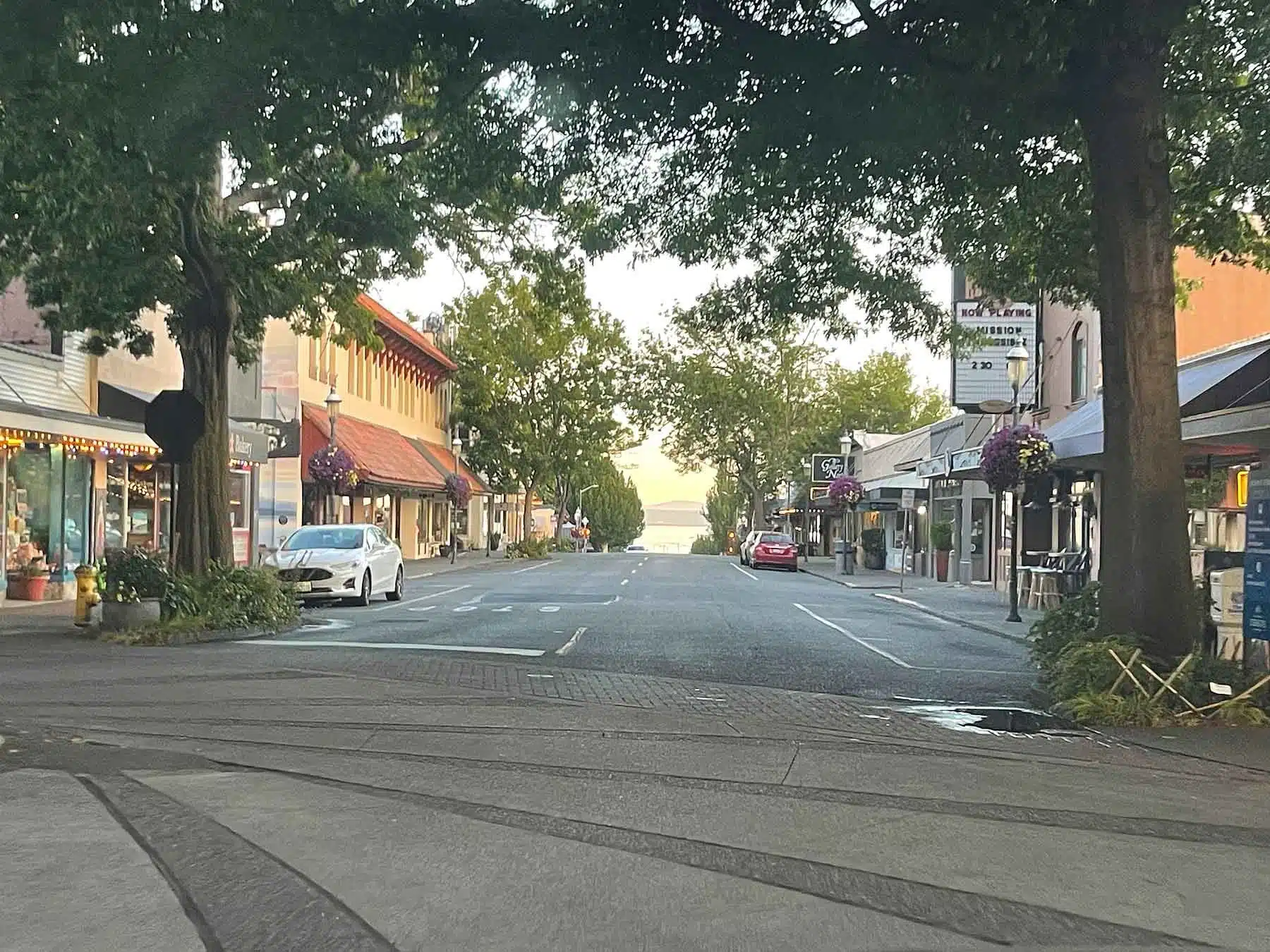
Downtown Edmonds is the heart of the city — walkable, charming, and full of life. Tree-lined streets connect art galleries, boutique shops, restaurants, and the waterfront. The Bowl sits along the Puget Sound shoreline with panoramic views of the Olympic Mountains and direct beach access.
Best for: Buyers who want walkability, waterfront access, and a vibrant community atmosphere.
Key highlights:
- Edmonds Center for the Arts — performances, concerts, and community events year-round
- Cascadia Art Museum — Pacific Northwest art and design
- Edmonds Ferry Terminal — direct service to Kingston
- Weekly Farmers Market (May–October)
- Annual Edmonds Arts Festival and Waterfront Festival
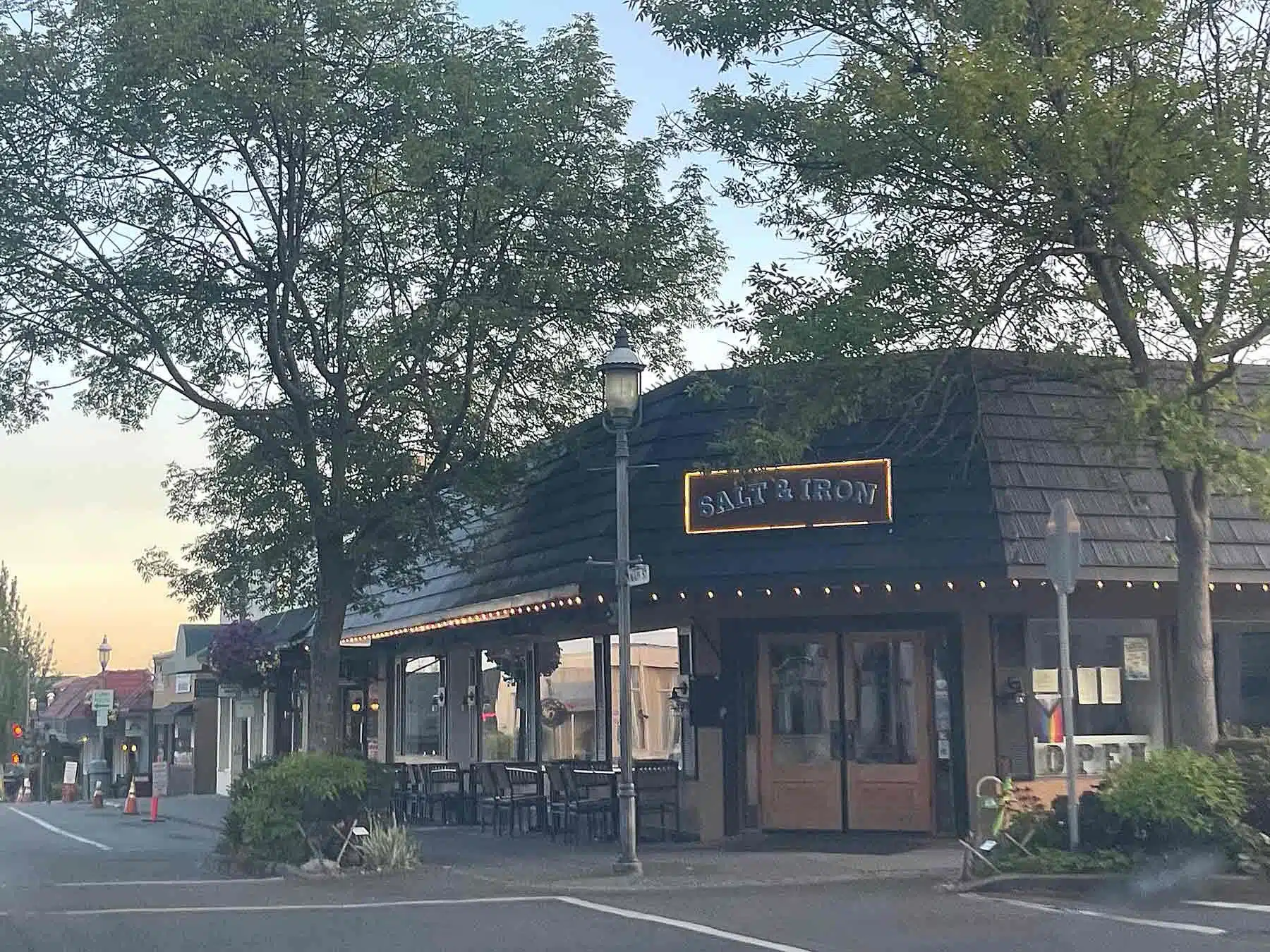
Local favorites: Salt & Iron for seafood, Epulo Bistro for Mediterranean, Edmonds Bakery for pastries and custom cakes, La Trattoria for Italian, Cheesemonger’s Table for cheese and charcuterie.
Westgate
Westgate is a quieter, more suburban neighborhood ideal for families. It offers a mix of single-family homes and apartments at relatively accessible price points, with multiple parks and strong school options nearby.
Best for: Families, first-time buyers, and anyone seeking more space at a lower entry price.
- Yost Park — 48 acres of forested trails, picnic areas, and a community pool
- Seaview Park — walking trail with Puget Sound views
- Westgate Elementary School (public)
- Holy Rosary School, King’s School, and Northshore Christian School (private options nearby)
Meadowdale
Meadowdale is one of Edmonds’ most sought-after neighborhoods — known for natural beauty, a strong sense of community, and homes with stunning Puget Sound and Olympic Mountain views. Real estate here moves quickly and often above asking.
Best for: Buyers seeking premium views, nature access, and a tight-knit residential feel.
- Meadowdale Beach Park — 100+ acres, hiking trails, beach access, and kayak launch
- Mid-century, craftsman, and contemporary architecture
- Active community culture with neighborhood events and block parties
Perrinville
Perrinville is a small, close-knit community in the northern part of Edmonds with a local, neighborhood-first character — family-owned businesses, a Saturday Farmers Market, and community events organized through the Perrinville Community Club.
Best for: Buyers who value community character over walkability and don’t mind being car-dependent.
- Perrinville Trading Company — handmade gifts and local goods
- Easy access to Meadowdale Beach Park
- Close to the Edmonds-Kingston Ferry Terminal
Seaview
Seaview offers easy beach access and sweeping views of Puget Sound and Whidbey Island. Picnic Point Park and Seaview Park are both nearby, and the neighborhood association is active in organizing community events.
Best for: Buyers prioritizing outdoor lifestyle and water views at a residential pace.
Schools in Edmonds, WA
Are the schools good in Edmonds?
Yes. The Edmonds School District is well-regarded throughout Snohomish County, with strong public options at every level. Private alternatives are also well-represented.
Public schools:
- Westgate Elementary, Edmonds Elementary, and others within the district
- Meadowdale Middle School
- Edmonds-Woodway High School and Meadowdale High School
Private options:
- Holy Rosary School
- King’s School (K–12)
- Northshore Christian School (K–8)
Higher education nearby:
- Edmonds College — community college with strong transfer programs
- University of Washington Bothell — 20 minutes east
- University of Washington Seattle — 30 minutes south
A note for relocating families: Edmonds School District boundaries cover a wide geographic area, and a handful of properties near the city’s edges fall within the Shoreline or Mukilteo districts instead. Always confirm school assignment for a specific address before making an offer.
Outdoor Activities in Edmonds
What outdoor activities are available?
Edmonds is an outdoor enthusiast’s city. Its location on Puget Sound, proximity to the Olympics, and extensive park system make it exceptional for year-round recreation.
Top parks and trails:
- Brackett’s Landing (North & South) — scuba diving, snorkeling, picnicking, beach access
- Yost Park — 48 acres of forested trails and a wetland boardwalk
- Marina Beach Park — kayak/paddleboard launch, beach volleyball, fishing pier
- Meadowdale Beach Park — secluded half-mile trail to a quiet sandy beach
- Pine Ridge Park — wooded trails and a scenic overlook
- Edmonds Marsh — 200+ documented bird species; one of the region’s best urban birdwatching sites
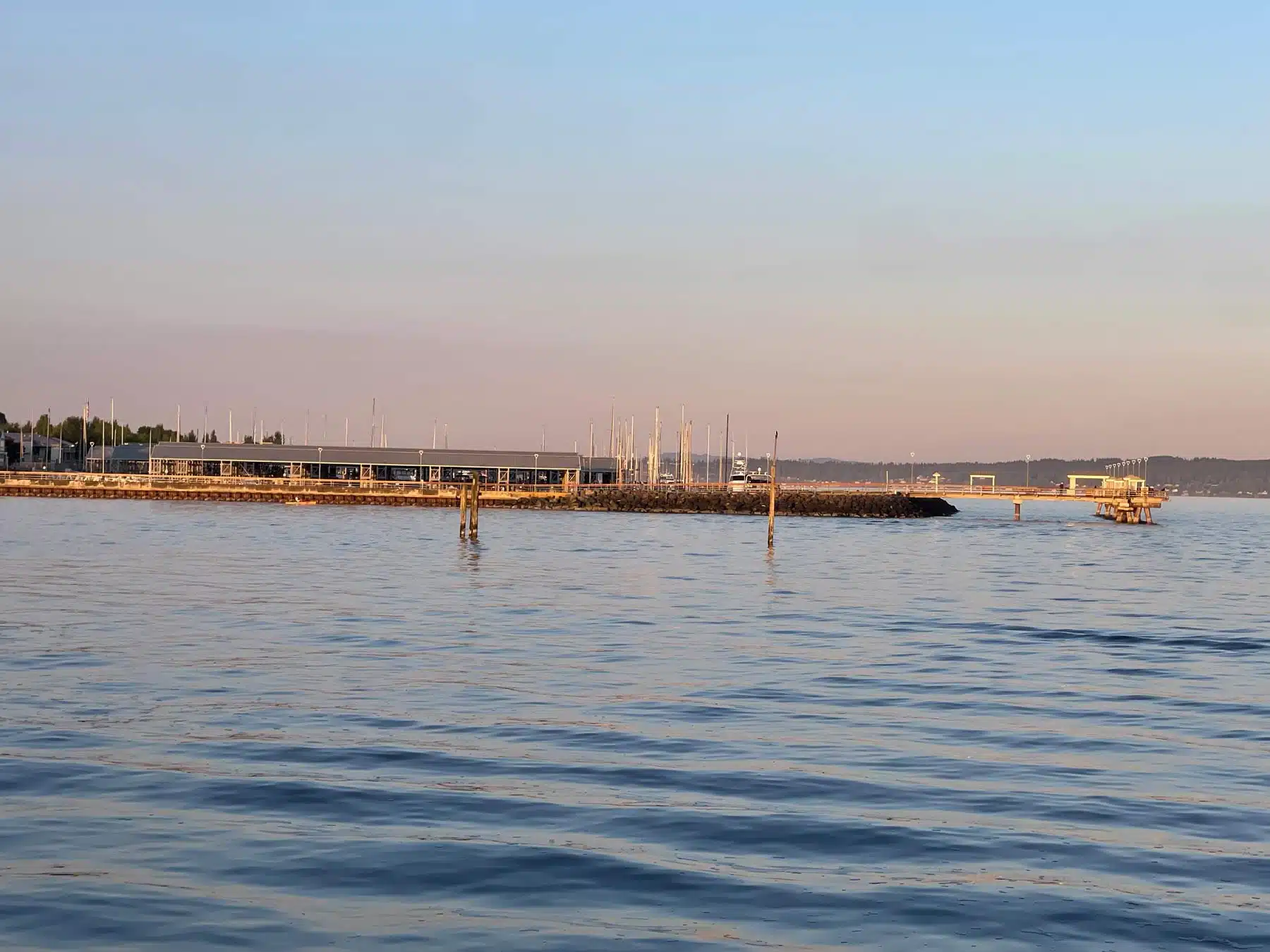
Water recreation: The Edmonds Marina offers moorage and waterfront dining and serves as a launch point for boating, kayaking, and wildlife watching on Puget Sound. The Olympics provide world-class hiking and camping a short ferry ride away, and the Cascades are an easy drive for skiing in winter.
Healthcare Near Edmonds
What hospitals are near Edmonds?
- Swedish Edmonds Hospital — 21601 76th Ave W, Edmonds. Primary community hospital, located off Highway 99.
- UW Medical Center – Northwest — 1550 N 115th St, Seattle. Full-service medical center, approximately 20 minutes south.
Edmonds Arts, Culture & Community Events
Edmonds has one of the most active arts communities of any city its size in Washington State.
- Edmonds Center for the Arts — Broadway shows, classical music, contemporary dance
- Cascadia Art Museum — Pacific Northwest art and design
- Edmonds Arts Festival (June) — 240+ artist booths, workshops, live music
- Edmonds Waterfront Festival (June) — hydroplane races, live music, fireworks
- Taste Edmonds — local food and beverage festival
- Edmonds Classic Car Show (September) — vintage cars from the 1950s–70s
- Edmonds Farmers Market (May–October, Saturdays)
- Edmonds Holiday Market (December weekends)
Ready to Buy or Sell in Edmonds?
Edmonds is a market where local knowledge matters. Limited inventory, competitive offers, and meaningful neighborhood-level price variation mean having the right agent on your side makes a real difference — whether you’re buying your first home or selling a waterfront property.
Contact Matthew Konsmo → Call or text anytime — let’s talk about what you’re looking for.
Matthew Konsmo · Coldwell Banker Danforth · matthewkonsmo.com
Living in Edmonds — Quick Stats
| Total population | 42,622 |
| Average household income | $141,611 |
| Median age | 39.6 |
Local guide · Edmonds, Washington
Things to Do in & Around Edmonds
Beaches, dining, waterfront, arts, and small-town charm on the Puget Sound shoreline
Commute guide · Edmonds, WA
Drive Times from Edmonds, WA
Off-peak and rush hour estimates to Seattle, Eastside, North Sound, and Kitsap Peninsula destinations
Drive times are typical estimates from downtown Edmonds via I-5, SR-104, or SR-99, based on WSDOT corridor data and Google Maps averages. Rush hour reflects weekday morning southbound (7–9 AM) or evening northbound (4–6 PM). Edmonds straddles the King-Snohomish County line and offers three standout commute advantages: the Edmonds–Kingston ferry opens a 30-minute crossing to the Kitsap Peninsula and Olympic National Park gateway; the Mountlake Terrace and Lynnwood City Center Link light rail stations are 5–10 minutes away, providing one-seat rides to Downtown Seattle, the U District, Capitol Hill, and SeaTac Airport; and Sounder North commuter rail from Edmonds Station runs weekday peak service to King Street Station in about 35 minutes.
How to read this
- Click a season on the left rail to see its averages.
- The large number is the typical daytime high for that season.
- Scroll down for the city comparison and climate notes.
- All figures are long-term averages — individual years vary.
Western Washington · Almanac № 8
Edmonds, by season.
A bluff city above Puget Sound, fifteen miles north of Seattle — where the cold water of the Sound clips summer highs and keeps the waterfront a few degrees cooler than anywhere else in Snohomish County.
Winter
Dec — FebMild and overcast, with the Sound keeping nights from dropping hard. The Bowl rarely freezes; the upland neighborhoods above 300 feet see more frost and the occasional snow that doesn't reach the waterfront.
Spring
Mar — MayThe waterfront wakes up fast — kayaks return to Brackett's Landing, the Saturday farmers market opens on Bell Street, and Olympic Mountain snowpack comes back into view as the skies clear.
Summer
Jun — AugThe cooler Sound-side summer: highs in the low 70s while Bothell and Mountlake Terrace hit the mid-70s, sunsets over the Olympics from Marina Beach, and the ferry running in and out all day long.
Autumn
Sep — NovA long warm September on the waterfront gives way to the maples along Yost Park ravine by mid-October, then the November frontal systems arrive and don't lift until spring.
A bluff above the Sound, with the Olympics in view.
Edmonds sits on the southwestern edge of Snohomish County, facing Puget Sound directly west toward the Olympic Mountains. The city divides into two distinct topographic zones: the Bowl, the low-lying downtown and waterfront near sea level (around 66 feet), and the upland neighborhoods — Seaview, Westgate, Sherwood Forest, Meadowdale — that climb the forested bluff to 300–450 feet of elevation. That vertical difference of 350-plus feet across just a mile or two of horizontal distance produces meaningfully different microclimates within the same city. The Bowl, hugging the Sound, sits inside the full force of Puget Sound's marine influence. The upland neighborhoods, perched above the marine layer, see more frost, more fog from above, and more snow on marginal days.
The overall climate classification is Köppen warm-summer Mediterranean (Csb), consistent with the rest of the Puget Sound lowlands. Annual precipitation ranges from roughly 37–42 inches depending on elevation and location, with the heaviest totals arriving between October and March. Snowfall is light — most years see about 3–5 inches, and events that dust the uplands often leave the waterfront below the snow line entirely. The USDA hardiness zone is 8b, supporting the usual Puget Sound palette of Japanese maples, Western red cedar, shore pine, and the coastal-adapted rhododendron varieties that thrive in the salt-influenced air.
How Edmonds differs from its neighbors.
Edmonds's defining contrast with its inland Snohomish County neighbors is Sound proximity. Puget Sound's water temperature stays in the low-to-mid 50s°F most of the year, and the onshore flow that crosses it clips Edmonds's summer highs by two to three degrees compared to Mountlake Terrace, Lynnwood, or Kenmore — cities that are insulated from the Sound by several additional miles of land. The tradeoff is a slightly cooler, slower-warming spring: Edmonds mornings in June often carry a marine layer that burns off by noon, while inland neighbors are already sunny. Compared to Shoreline directly to the south, Edmonds runs a few degrees cooler in summer (more open Sound exposure) and about a half-inch more rain annually (further from the partial Olympic rain shadow). Seattle, across the Sound, is wetter on its west-facing slopes and benefits from stronger marine cooling from multiple directions, keeping it slightly cooler than Edmonds overall.
| City | Summer High | Winter Low | Annual Rain |
|---|---|---|---|
| Edmonds | 72°F | 37°F | 37″ |
| Seattle | 73°F | 38°F | 37″ |
| Shoreline | 73°F | 37°F | 39″ |
| Mountlake Terrace | 74°F | 36°F | 40″ |
| Lynnwood | 74°F | 35°F | 40″ |
| Kenmore | 75°F | 36°F | 40″ |
When the waterfront is at its best.
For kayaking off Brackett's Landing, sunsets over the Olympics from Marina Beach Park, diving the Edmonds Underwater Park, and evenings on a Fifth Avenue patio, the climate sweet spot runs mid-June through late September — afternoons reliably in the low-to-mid 70s, Sound water cold but swimmable in wetsuits, and the 9:10 p.m. sunset burning pink over the water through late June. The ferry runs a beautiful 30-minute crossing to Kingston and back during these months, often with bald eagles visible above the terminal. Late April through early May brings the farmers market back to Bell Street Plaza and the waterfront tulips to full bloom. Mid-October delivers the year's best fall color in the Yost Park ravine, with the maples hitting their peak just before the November rains settle in for the season.
What Edmonds's climate means for the homes here.
Edmonds's split geography creates split homeowner concerns. Bowl and waterfront properties deal with sustained salt-air exposure — painted surfaces and metal fixtures weather faster near the Sound than even a few blocks inland, and the long-term inspection list for waterfront homes should include bulkheads, salt-spray weathering on windows and siding, and the higher ambient humidity that persists even in summer. The steep streets dropping from the upland bluff toward downtown require attention to slope drainage and retaining wall integrity during heavy winter rain cycles. Upland neighborhoods (Seaview, Westgate, Sherwood Forest) face more standard PNW maintenance: gutter capacity and moss treatment in fall, and the occasional icy driveway on a marginal freeze night — events that may not reach the Bowl at all. Across both zones, summer nights stay cool enough that older homes were typically built without central air conditioning; heat pumps have become the standard in new construction and major remodels, handling both heating and the rare 85–90°F stretch without the inefficiency of a stand-alone AC unit.

Matthew Konsmo
Associate Real Estate Broker
Coldwell Banker Danforth
Western Washington
Serving buyers and sellers with integrity and expertise. Matthew is an Associate Real Estate Broker with Coldwell Banker Danforth, helping clients navigate the Pacific Northwest market with confidence.
Edmonds, WA Real Estate — Frequently Asked Questions
Answers to common questions about buying, selling, and living in Edmonds, Washington
Edmonds is one of Snohomish County's most consistently competitive real estate markets — a waterfront community where demand reliably outpaces supply driven by Puget Sound views, a walkable downtown, ferry access to the Kitsap Peninsula, and Sounder commuter rail service to Seattle. Homes near the waterfront and the Bowl command the highest premiums, while inland neighborhoods offer more purchasing power without sacrificing the Edmonds lifestyle that makes the city so sought-after.
Well-priced properties in desirable Edmonds locations move quickly and regularly attract multiple offers — particularly in the spring and summer active seasons. Whether you're buying or selling, understanding which Edmonds neighborhoods and property types drive the strongest outcomes requires local expertise. Contact Matthew to discuss current Edmonds market conditions and what's available right now.
Edmonds' neighborhoods each offer a distinct character and lifestyle fit. The Bowl — the city's historic downtown core — is the most walkable and socially active area, with immediate access to the waterfront, ferry terminal, farmers market, and the city's concentration of independently owned restaurants, coffee shops, and boutique retail. Waterfront and western-slope view properties commanding Puget Sound and Olympic Mountain sightlines represent the city's most coveted and highest-priced real estate tier regardless of neighborhood.
Seaview and Meadowdale are popular with families for their residential character, strong school options, and more accessible price points than the Bowl's waterfront-adjacent blocks. Perrinville to the north and Westgate to the east offer quieter suburban settings at generally more competitive prices while retaining Edmonds School District service and easy access to the city's amenities. Each neighborhood rewards buyers who understand what drives its specific value — which is where working with a local agent makes a material difference.
Edmonds occupies a rare position in the Western Washington residential market — a genuine waterfront small city with a walkable downtown, Puget Sound views, ferry access, commuter rail service, and an arts and cultural identity that distinguishes it from more generic north sound suburbs. The combination of the Edmonds waterfront, Olympic Beach, the underwater park, the Senior Center, and the concentration of local arts organizations gives the city a quality of life that residents consistently describe as one of Western Washington's finest.
The Washington State Ferry terminal connecting Edmonds to Kingston on the Kitsap Peninsula is a uniquely practical amenity — giving residents direct water access to the Olympic Peninsula and making Edmonds one of the few north sound communities where a car-free or car-light lifestyle is genuinely practical for a wide range of daily needs. For buyers relocating from Seattle's urban core or from out of state, Edmonds often represents the ideal Pacific Northwest lifestyle in a more manageable and community-oriented scale.
Edmonds is served primarily by the Edmonds School District — one of the largest public school districts in Washington State, serving Edmonds and surrounding communities including Lynnwood, Mountlake Terrace, and Brier. The district includes well-regarded schools across all grade levels, with Edmonds-Woodway High School and Meadowdale High School serving as the primary secondary options for most Edmonds residents. Both campuses have strong academic programs, athletics, and extracurricular offerings.
Families relocating to Edmonds should verify which school serves their specific address, as the Edmonds School District's attendance boundaries cover a wide geographic area and school assignment can vary meaningfully by exact location within the city. Some Edmonds properties near the district boundaries may also fall within the Shoreline or Mukilteo school districts — confirming district assignment for any specific property before making an offer is always recommended for families with school-aged children.
Edmonds sits approximately 15 miles north of Seattle with several commute options that make it one of the north sound's better-connected communities. By car via I-5 or SR-99, the commute to downtown Seattle typically runs 30–50 minutes depending on traffic and time of day. Sound Transit Sounder commuter rail provides direct service from Edmonds Station to King Street Station in downtown Seattle — a genuinely pleasant alternative to driving that takes approximately 35–40 minutes and eliminates parking hassle entirely for riders who live near the station.
The Washington State Ferry also provides an alternative commute pathway for residents working on the Kitsap Peninsula or who prefer the water taxi experience. For Bellevue and Eastside commuters, Edmonds' access to I-5 south to SR-520 or I-405 typically adds 20–30 minutes beyond the Seattle commute time. Buyers who commute to the Eastside regularly should factor this into their location decision relative to closer-in north King County alternatives like Kenmore or Bothell.
Edmonds, Kirkland, and Bothell are three of Western Washington's most popular waterfront-adjacent residential markets and attract broadly similar buyer profiles — but each delivers a meaningfully different experience. Kirkland anchors the Lake Washington eastern shore with urban walkability, tech-sector employment proximity, and premium lakefront pricing. Bothell offers a revitalized downtown, strong school districts, and competitive pricing at the north Eastside's SR-522 and I-405 intersection.
Edmonds stands apart for its Puget Sound identity — ferry access, waterfront dining, the underwater park, the arts community, and Sounder rail service create a lifestyle that Kirkland and Bothell simply don't replicate. For buyers who prioritize Puget Sound waterfront character, arts community, and commuter rail access over Eastside employment proximity, Edmonds consistently delivers one of Western Washington's most distinctive and rewarding residential experiences. Price per square foot in Edmonds often offers competitive value relative to Kirkland's waterfront premium tiers.
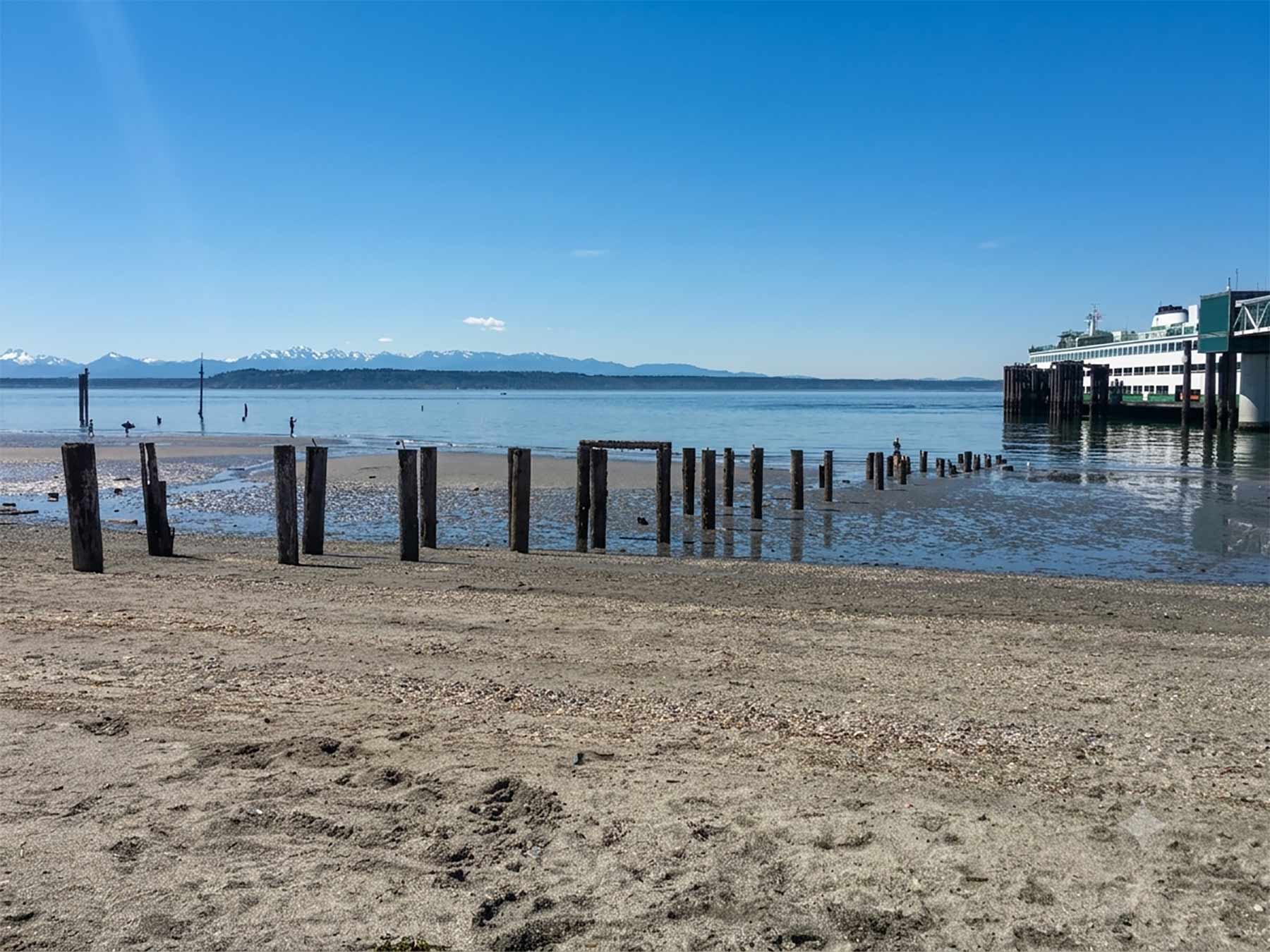
Edmonds has an exceptional outdoor recreation profile anchored by its Puget Sound waterfront. Olympic Beach and the Edmonds waterfront park provide swimming, picnicking, and shoreline walking access with Olympic Mountain views. The Edmonds Underwater Park — one of the most popular scuba diving sites in Washington State — draws divers from across the region to its protected artificial reef and marine sanctuary directly off the ferry terminal beach.
The Edmonds Marsh Wildlife Sanctuary provides a rare urban wetland habitat for birdwatching and nature observation. The interurban trail network connects Edmonds to the broader south Snohomish County trail system for cycling and running. Puget Sound's waters off Edmonds support kayaking, paddleboarding, whale watching, and salmon fishing — recreational opportunities that give the city a Pacific Northwest outdoor lifestyle density that few north sound communities can match at any price point.
Edmonds' housing stock is genuinely diverse. The city's established neighborhoods feature craftsman bungalows, mid-century ramblers, and colonial revival homes alongside more contemporary builds on the western slopes with Puget Sound view exposure. Waterfront and view properties — particularly those on the bluff above the ferry terminal with unobstructed Olympic Mountain sightlines — represent the city's premium tier and command prices that reflect their irreplaceable visual assets.
The downtown Bowl area has seen meaningful condominium and townhome development over the past decade, providing more accessible entry points for buyers who want the Edmonds waterfront lifestyle without the single-family home price tag. Newer construction is also present in the city's eastern and northern neighborhoods. Use our mortgage calculator to model what different Edmonds property types look like at your budget, and contact Matthew to discuss which neighborhoods best match your priorities.
Matthew Konsmo is a Western Washington real estate agent with Coldwell Banker Danforth who brings a background in Fortune 500 advertising and residential construction to every transaction. Edmonds is one of Matthew's primary markets — his knowledge of the city's neighborhood distinctions, view premiums, waterfront property considerations, and school district boundaries gives buyers and sellers a genuine advantage in one of Snohomish County's most competitive and distinctive communities.
Matthew serves buyers and sellers across the full north sound and Western Washington market — from Edmonds and Kenmore to Kirkland, Woodinville, and Bothell. Call 425-463-8243, email matthewkonsmo@gmail.com, or visit the About Matthew page to get started.
Ready to explore Edmonds homes for sale? Let's talk waterfront, views, and what's available right now.