Seattle, Washington · City Guide
Seattle City Guide(Neighborhoods, Living & Local Market)
Neighborhood profiles, schools, commutes, and the current market for one of the Pacific Northwest’s most dynamic cities — everything you need before you buy, sell, or relocate to Seattle.
Living in Seattle – Real Estate Guide
Seattle is a city of neighborhoods — that framing was coined by former Mayor Greg Nickels, but it predates him by a century. The city grew from widely scattered settlements on the surrounding hills, each of which became its own community with its own library branch, community club, and public schools. There have been no official neighborhood boundaries in Seattle since 1910, which is why Seattle real estate behaves the way it does: pricing, demand, and character can change dramatically across a single street, and what a listing calls a neighborhood may not match what residents call it, what the city clerk’s map calls it, or what shows up on Zillow.
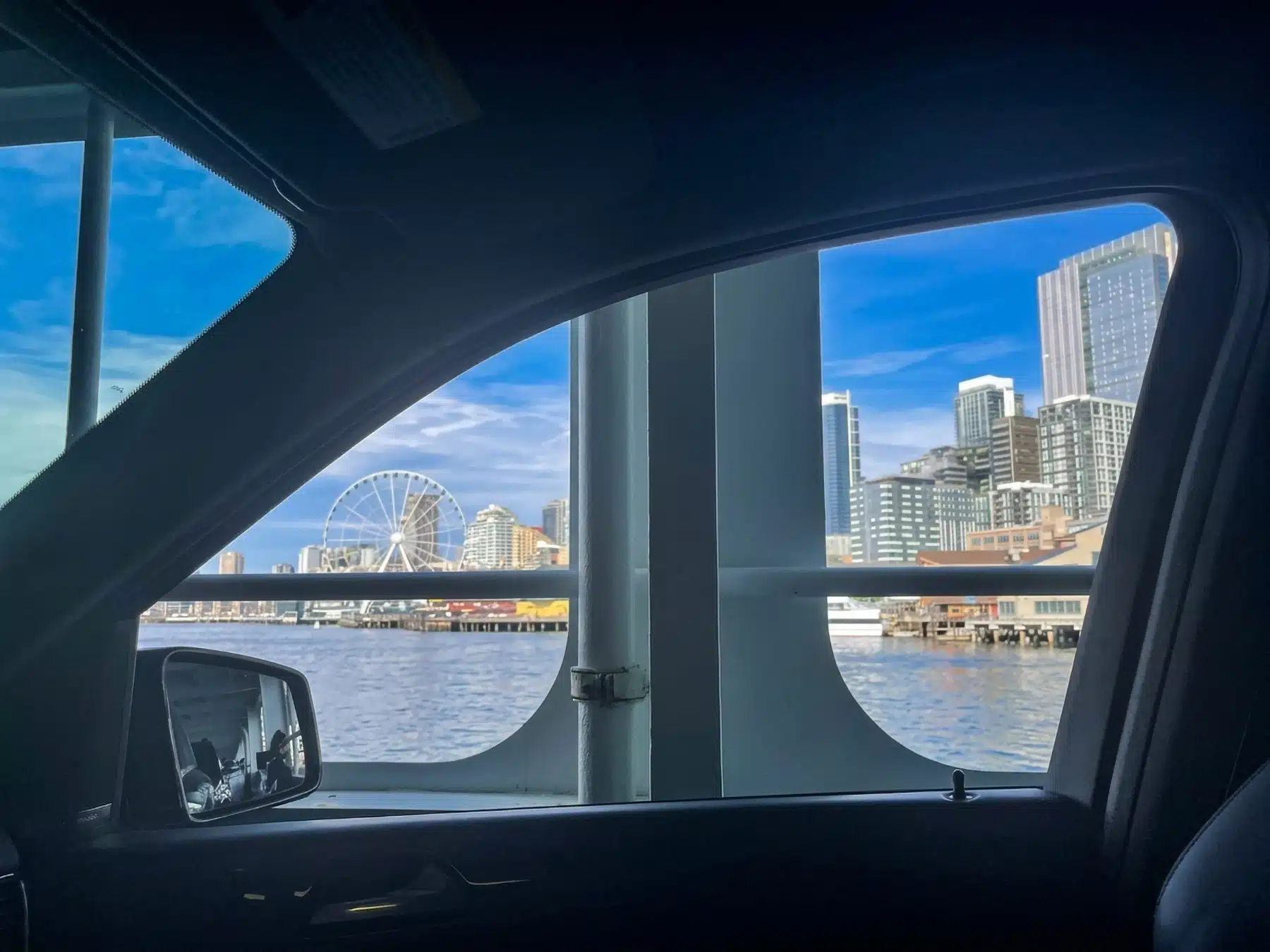
The Seattle City Clerk’s Office maintains a Neighborhood Map Atlas that organizes the city into 13 districts containing roughly 75+ named neighborhoods, with many of those neighborhoods further divided into sub-neighborhoods. For buyers and sellers, the right approach is to think in three layers: the broader district (north, central, west, south), the named neighborhood (Ballard, Capitol Hill, West Seattle), and the specific sub-neighborhood that actually drives market behavior (Sunset Hill within Ballard, Alki within West Seattle, Madrona Park within the Central District).
This guide is organized by district to help you orient. Each section links to the named neighborhoods I’ve covered in depth.
Living guide · Seattle, WA
Pros & Cons of Living in Seattle, WA
Commute, real estate, and lifestyle in the Pacific Northwest’s largest city
Commute
Pros
- Link light rail keeps expanding — one seat from Lynnwood to SeaTac, with Eastside connections growing
- Car-optional neighborhoods — Capitol Hill, Ballard, Fremont, and downtown support walking, biking, and transit-first living
- Dense bus network — King County Metro and RapidRide cover the city far better than any suburb
Cons
- I-5 congestion is constant — crossing the city by car at peak is slow in every direction
- Bridges are chokepoints — ship canal and West Seattle crossings back up and occasionally close
- Parking is scarce and costly downtown and in core neighborhoods
Real Estate
Pros
- Widest range of housing in the region — craftsman bungalows, mid-rise condos, townhomes, view homes, houseboats
- Strong long-term appreciation driven by a deep employment base and constrained geography
- Condo entry points — more attainable first-purchase options than most Eastside cities
Cons
- High price per square foot — view and waterfront premiums are steep
- Older housing stock — much of the city predates 1950; sewer lines, knob-and-tube, and foundations need diligence
- HOA dues add up in downtown and Belltown towers
Lifestyle
Pros
- Big-city culture — pro sports, live music, theaters, museums, and a deep restaurant scene
- Water and mountains everywhere — Puget Sound, Lake Washington, Discovery Park, and ferry access from downtown
- Distinct neighborhoods — each district has its own commercial core, parks, and character of place
Cons
- Urban density tradeoffs — noise, smaller lots, and shared walls are part of city living
- Gray-season stretch — November through March is famously overcast and damp
- Costs run high — dining, parking, and services price above the regional average
How Seattle compares to neighboring cities
Bellevue is newer, more polished, and high-rise modern; Seattle counters with historic neighborhoods, water on two sides, and deeper culture.
Kirkland offers a walkable lakefront downtown at suburban scale; Seattle offers full urban amenities at urban intensity.
Shoreline delivers light rail access and single-family lots just north of the city line, typically at a lower price per square foot.
Bothell trades urban culture for newer construction, more space, and a position between two job markets on the King–Snohomish line.
Information reflects general market and infrastructure conditions in Seattle, WA as of 2026 and is intended for educational use; conditions vary by neighborhood and change over time. Equal Housing Opportunity. This content describes property, geography, infrastructure, and amenities only, consistent with the Fair Housing Act. Verify current data with WSDOT, the King County Assessor, and a licensed real estate professional.
Seattle Real Estate Overview
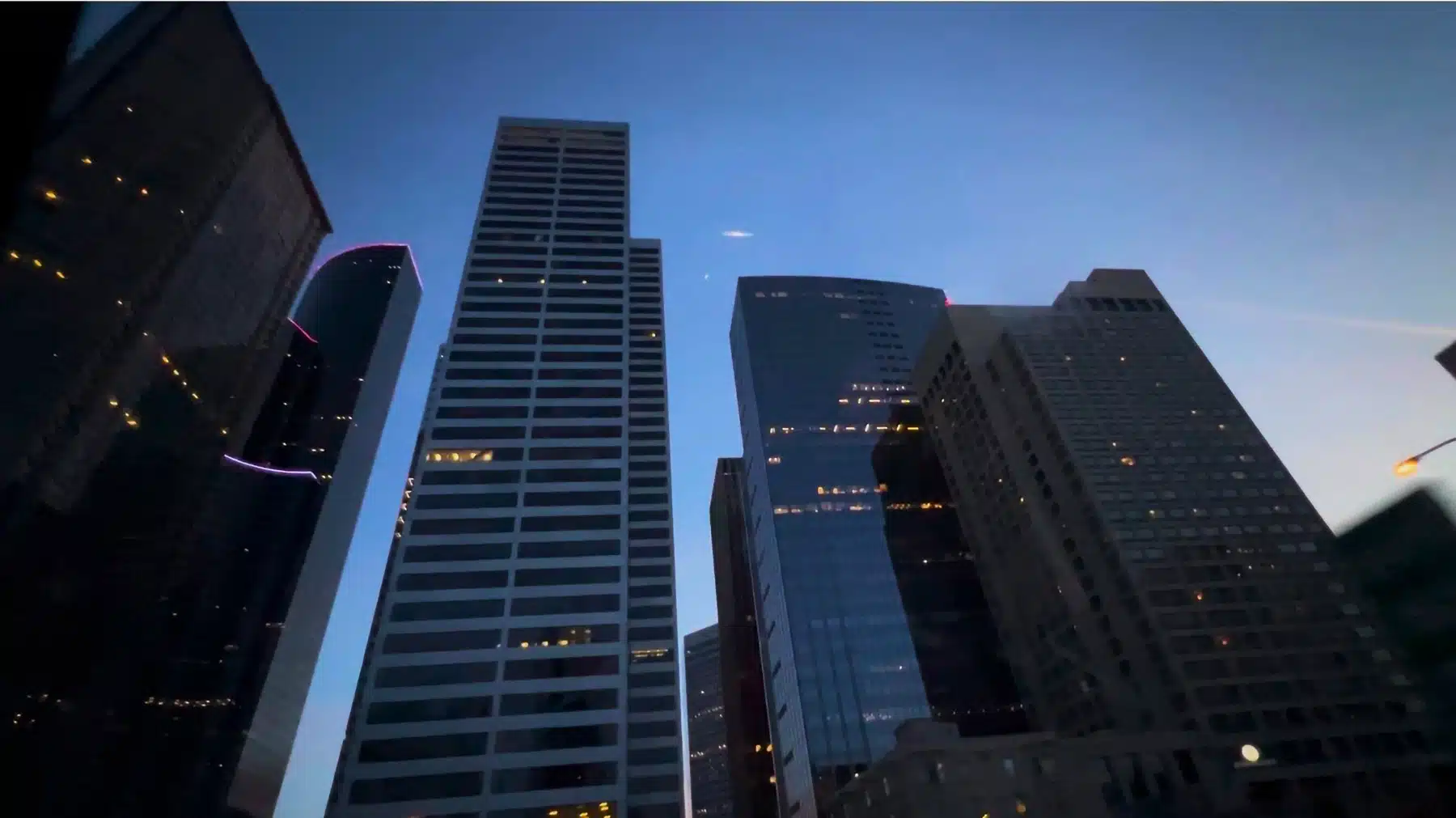
Seattle housing stock spans roughly 130 years of construction, with significant variety:
- 1890s–1920s Victorian, Craftsman, and Foursquare homes — concentrated in the older neighborhoods (Capitol Hill, Queen Anne, Wallingford, Ballard, Madrona, Beacon Hill, Mount Baker, West Seattle’s Admiral and Alki).
- 1920s–1940s Tudor, Cape Cod, and Storybook homes — common in the second-wave neighborhoods (View Ridge, Laurelhurst, Magnolia, Wedgwood).
- 1950s–1970s mid-century homes and split-levels — concentrated in the post-WWII northern neighborhoods (Maple Leaf, Lake City, Pinehurst, Olympic Hills, parts of West Seattle).
- 1980s–2000s townhomes and infill — citywide, with concentration along commercial arterials.
- 2010s–present new construction — driven by the Mandatory Housing Affordability program and recent zoning changes, including ADUs, DADUs, and the 2024 statewide middle-housing legislation that allows duplexes, triplexes, and fourplexes on lots that were previously single-family.
- Condos and high-rises — concentrated in downtown, Belltown, South Lake Union, First Hill, Capitol Hill, and the University District.
Seattle Home Prices
Pricing varies dramatically by neighborhood, sub-neighborhood, and even block. The most expensive neighborhoods include Broadmoor, Madison Park, Laurelhurst, Madrona, Washington Park, Denny-Blaine, Montlake, and the waterfront sections of Magnolia, Queen Anne, and West Seattle (Alki and Beach Drive). More accessible price points are typically found in Lake City, Pinehurst, Olympic Hills, South Park, Highland Park, Delridge, Rainier Beach, and parts of Beacon Hill and White Center.
The Best Month to List in Seattle (4-year NWMLS seasonality)
Every calendar month scored 0–100 on the four things sellers care about: percent of asking achieved, speed to pending, buyer demand, and price premium vs. the Seattle monthly average.
Across 4 years of NWMLS history, Seattle homes sold in May averaged 100.0% of original asking price and a median 6 days on market, with roughly 607 homes going pending in a typical May — the strongest combination of pricing, speed, and buyer demand of any month. Median prices in May have run 4.3% above the city’s monthly average. Demand builds through the window, so plan photos and prep to launch early in May.
Schools in Seattle
Most of the city is served by Seattle Public Schools, with portions of north Seattle served by Shoreline School District (north of NE 145th). SPS uses a complex assignment system with neighborhood schools, option schools, and language immersion programs. Verify your specific address assignment using seattleschools.org’s lookup tool — assignments and boundaries change with district reviews, and option school admissions follow separate processes.
Private and independent school options include Lakeside School, Bush, University Prep, Seattle Academy, Seattle Preparatory, O’Dea, Holy Names, Forest Ridge, Bertschi, Northwest School, and many others.
Seattle Neighborhoods by District
Seattle’s neighborhoods break out across the city’s geography. The structure below follows the Seattle City Clerk’s Neighborhood Map Atlas districts, with the most recognizable named neighborhoods within each.
Seattle, Washington
Seattle Neighborhood Guide
Explore Seattle’s distinct communities — click any neighborhood to learn more
Showing 11 neighborhoods
Laurelhurst
Established communityLaurelhurst is a well-established Seattle neighborhood known for its tree-lined streets, proximity to Lake Washington, and access to community parks and recreational amenities.
Explore LaurelhurstGreen Lake
Parks & recreationGreen Lake is a popular Seattle neighborhood centered around a scenic freshwater lake and public park. The area offers paved walking and biking paths, community recreation facilities, and a walkable retail corridor.
Explore Green LakeSeattle Waterfront
Downtown waterfrontSeattle’s central waterfront sits along Elliott Bay and is home to the Pike Place Market area, Myrtle Edwards Park, and a variety of dining, retail, and public gathering spaces along the revitalized Overlook Walk.
Explore Seattle WaterfrontMadison Park
Lakeside villageMadison Park is a quiet residential neighborhood on the western shore of Lake Washington. The area features a public beach, a small walkable village with local shops and dining, and established single-family homes.
Explore Madison ParkWindermere
Lakefront residentialWindermere is a peaceful residential neighborhood bordering Lake Washington on Seattle’s northeast side. Known for its quiet streets, mature landscaping, and proximity to Burke-Gilman Trail access points.
Explore WindermereMagnolia
Peninsula communityMagnolia is a largely residential peninsula neighborhood offering views of Puget Sound, Elliott Bay, and the Olympic Mountains. Discovery Park, one of Seattle’s largest public parks, is located here.
Explore MagnoliaQueen Anne
Historic hillQueen Anne is a historic Seattle neighborhood situated on a prominent hill near Seattle Center. Upper Queen Anne features quiet residential streets, while Lower Queen Anne offers a walkable mix of dining and services.
Explore Queen AnneWest Seattle
Peninsula livingWest Seattle is a large peninsula neighborhood known for Alki Beach, Lincoln Park, and the Junction neighborhood’s local retail corridor. It offers a range of housing options and waterfront park access.
Explore West SeattleBallard
Historic maritimeBallard is a historic Seattle neighborhood with Scandinavian maritime roots. It features a walkable commercial district, the Hiram M. Chittenden Locks, Shilshole Bay Marina, and several community parks.
Explore BallardRavenna
Parks & communityRavenna is a residential neighborhood in northeast Seattle adjacent to Ravenna Park, a forested green space with walking trails. The area features established homes, local schools, and a neighborhood commercial hub.
Explore RavennaFremont
Urban villageFremont is a designated Urban Village in Seattle, located along the Lake Washington Ship Canal. The neighborhood includes a walkable commercial core, the Burke-Gilman Trail, public art installations, and community events.
Explore FremontNorthwest Seattle
The northwest quadrant runs from the Lake Washington Ship Canal north to the city limits and west to Puget Sound. It’s defined by Ballard’s maritime history, Greenwood’s commercial walkability, and the Sound-facing neighborhoods.
- Ballard (contains Adams, West Woodland, Sunset Hill, Loyal Heights, Whittier Heights)
- Crown Hill
- Greenwood and Phinney Ridge
- Fremont
- Green Lake
- Bitter Lake
- Broadview
- North Beach / Blue Ridge
North Seattle
North of the Ship Canal and east of Aurora, this district includes some of the city’s earliest streetcar suburbs and most established residential neighborhoods.
- Wallingford
- Tangletown
- Maple Leaf
- Roosevelt
- Ravenna
- Bryant
- View Ridge
- Wedgwood
- Laurelhurst
- Sand Point
- Windermere
Northeast Seattle
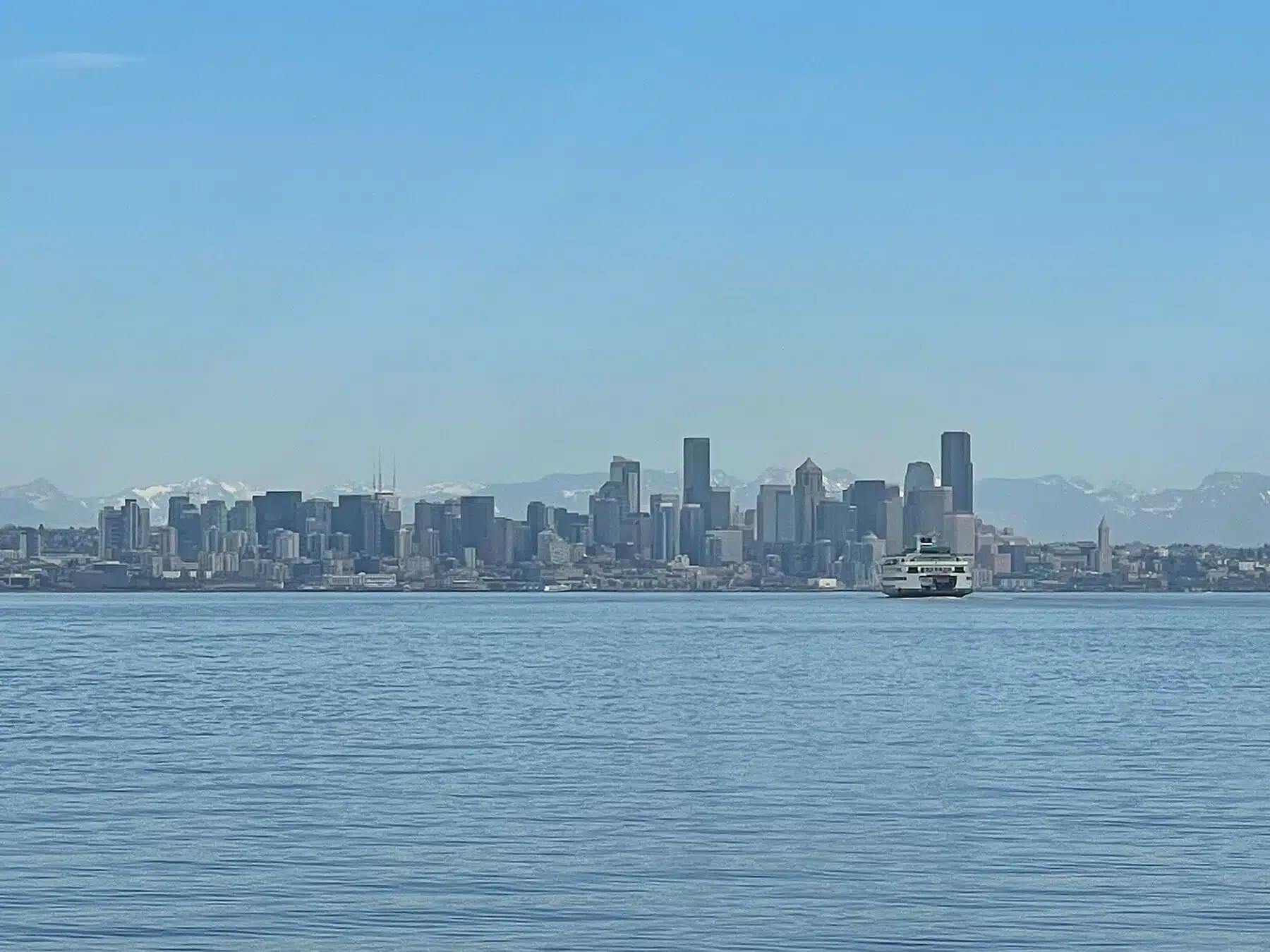
The far northeast section, with more accessible price points and good transit access to the U-District.
- Lake City
- Cedar Park
- Meadowbrook
- Matthews Beach
- Olympic Hills
- Victory Heights
- Pinehurst
- Haller Lake
University District
Anchored by the University of Washington campus, with light rail connections to downtown and the broader region.
- University District (U-District)
- University Park
- Portage Bay
Magnolia / Queen Anne
The two hills west and north of downtown — distinct in character, both with significant single-family stock and water views.
- Magnolia (contains Briarcliff, Lawton Park, East Magnolia)
- Interbay
- Queen Anne (East, West, North, South / Lower Queen Anne)
Downtown Seattle
The commercial and high-rise core, with significant condo inventory.
- Downtown / Central Business District
- Belltown
- Pioneer Square
- International District / Chinatown
- South Lake Union
- Denny Triangle
- First Hill
- Pike-Pine / Pike Market
Capitol Hill / Central District
East of downtown, with some of the densest housing and most historic homes in the city.
- Capitol Hill (contains Broadway, Pike-Pine)
- Stevens / North Capitol Hill
- Eastlake
- Montlake
- Madison Park
- Madison Valley
- Madrona
- Leschi
- Central District (contains Atlantic, Minor, Mann, Harrison/Denny-Blaine)
- Broadmoor
- Washington Park
Southeast Seattle
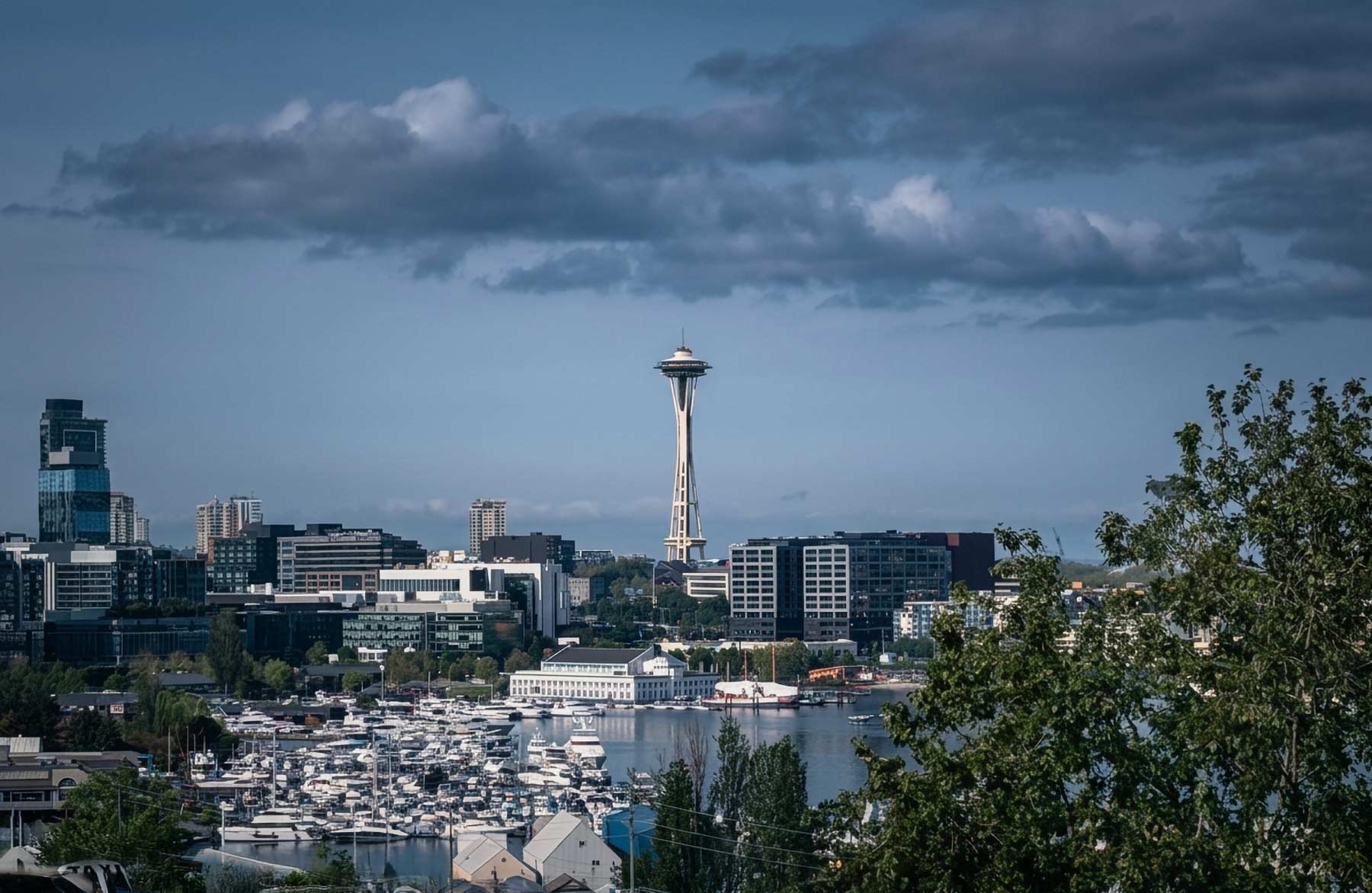
Along Lake Washington’s western shore and into the Rainier Valley.
- Mount Baker
- Columbia City
- Seward Park
- Genesee
- Brighton
- Dunlap
- Rainier Beach
- Rainier View
- Beacon Hill (Mid-Beacon, North Beacon, Holly Park)
- Othello
Industrial / South Seattle
The industrial and creative-cultural district south of downtown.
- SODO
- Georgetown
- South Park
- Industrial District
- Harbor Island
West Seattle
The peninsula across the Duwamish, with strong neighborhood identity and water access.
- Admiral
- North Admiral
- Alki
- Genesee (West Seattle section)
- Fairmount Park
- Fauntleroy
- Gatewood
- High Point
- North Delridge
- Delridge
- Highland Park
- Arbor Heights
- Westwood
- South Park (some boundary overlap with the South Seattle district)
The Anchors: Why Seattle Looks the Way It Does
A few things shape the city’s neighborhoods more than buyers usually realize:
- No legally defined boundaries since 1910 — community clubs, library branches, and informal signage create the boundaries you see, which is why disputes about “what neighborhood is this?” happen constantly. The city clerk’s Neighborhood Map Atlas is the closest thing to a consensus, but even it acknowledges overlaps and alternate names.
- Historic housing covenants — most older Seattle neighborhoods carried racially restrictive housing covenants in the 1920s–1940s. These were ruled unenforceable by Shelley v. Kraemer in 1948 and made illegal by the Fair Housing Act in 1968, but they shaped the city’s residential geography for decades. Their legacy is documented in city archives and the University of Washington Seattle Civil Rights and Labor History Project.
- Local Improvement Districts (LIDs) — property owners share costs for sidewalks, street improvements, and stormwater systems. This is one of the mechanisms that has historically allowed Seattle neighborhoods to maintain distinct character.
- Topography — Seattle’s hills, water bodies, and the Ship Canal create natural neighborhood boundaries that wouldn’t exist in a flatter city. View corridors, watershed lines, and slope/landslide hazard areas all affect real estate decisions.
- 2024 statewide middle-housing legislation — Washington HB 1110 allows duplexes, triplexes, and (in some cases) fourplexes on most lots citywide that previously allowed only single-family. This is reshaping infill across Seattle and affects long-term positioning of single-family parcels in every neighborhood.
Outdoor Recreation in Seattle
- Discovery Park (534 acres, Magnolia)
- Green Lake Park
- Seward Park (300+ acres, Lake Washington peninsula)
- Lincoln Park (West Seattle)
- Alki Beach
- Magnuson Park (Sand Point)
- Carkeek Park (Broadview)
- Volunteer Park (Capitol Hill)
- The Burke-Gilman Trail
- The Cheshiahud Loop (Lake Union)
- Olmsted Brothers boulevard system (citywide)
Surrounding Cities
Explore Nearby Cities
Communities within a short drive of Seattle, each with distinct neighborhoods, schools, and price points.
My Seattle Pro Tips: Local Insights for Buying & Selling
1. The neighborhood name on Zillow may not be the neighborhood you’re actually buying in
Because Seattle has no legally defined neighborhood boundaries, real estate platforms, tax records, and local residents often disagree on what a property’s neighborhood is. A listing tagged “Capitol Hill” might actually sit in the Central District; a “Ballard” home might be in Loyal Heights or Crown Hill; a “Madison Park” listing might be in Madison Valley. These distinctions affect comp selection, pricing, and what a buyer thinks they’re getting.
Pro move: Use the Seattle City Clerk’s Neighborhood Map Atlas (the official reference) alongside the listing’s stated neighborhood, and verify by walking the area. Comp-based pricing depends on accurate neighborhood placement — getting this wrong costs money on both the buy and the sell side.
2. The construction-era inspection profile is highly age-specific
Because Seattle’s housing stock spans roughly 130 years, the inspection items vary dramatically by era:
- 1890s–1930s Craftsman and Foursquare: knob-and-tube wiring, cloth-wrapped wiring degradation, original poured concrete or stone foundations, lead paint, lead and galvanized water supply lines, cast iron drain lines, original single-pane wood windows, asbestos in flooring and pipe wrap, retrofit seismic anchoring.
- 1920s–1940s Tudor and Cape Cod: similar electrical and plumbing items as above, original boilers or converted steam systems, older oil tanks (decommissioning required for most sales), asbestos in vermiculite insulation.
- 1950s–1970s mid-century: galvanized water supply (repipe $8K–$15K), cast iron drain joint failures, Federal Pacific (FPE) or Zinsco electrical panels (insurance flag, $2K–$4K replacement), single-pane windows, cedar shake roofs at end of life.
- 1980s–2000s: Polybutylene supply lines on some homes, EIFS/LP siding issues on others, aging heat pumps, first-generation Hardie siding maintenance.
- 2010s+: generally cleaner, but inspect water management, decking attachments, and HVAC commissioning.
Pro move: My residential construction background is genuinely useful for Seattle’s wide age range of housing. I walk inspection findings with my buyers in plain language — what’s cosmetic, what’s a real cost, and what’s a deal-breaker. For pre-1940 Craftsmans in particular, the knob-and-tube and oil-tank items can shift offer strategy significantly.
3. Topography and drainage matter more than buyers expect
Seattle’s hills, watersheds, and slopes create real variation in landslide hazard, drainage, and foundation behavior. The 1996 and 2006 storm events caused significant slope failures in West Seattle, Magnolia, and parts of Capitol Hill. Critical-area mapping exists at the parcel level.
Pro move: Pull the City of Seattle’s environmental critical-area mapping during your inspection window for any home on a slope. Geotech opinions are inexpensive relative to the risk of buying into a slope-failure parcel without one.
4. Light rail and transit access is a long-term value driver
Sound Transit’s Link light rail has reshaped — and is continuing to reshape — Seattle real estate. Existing stations in Capitol Hill, U-District, Northgate, Lynnwood, Roosevelt, Beacon Hill, Columbia City, Othello, and Rainier Beach have measurable effects on nearby property values. New stations in Ballard, West Seattle (under planning and construction), and elsewhere will continue to shift demand.
Pro move: For a 10-year hold, factor in Sound Transit’s expansion timelines. Properties within a 10-minute walk of a planned station tend to outperform comparable properties further from transit over a full market cycle.
5. Middle-housing zoning is reshaping the single-family market
Washington HB 1110 (effective 2024) requires Seattle to allow duplexes, triplexes, and in many cases fourplexes on lots that were previously single-family. This is reshaping infill across the city and affects the long-term positioning of every single-family parcel — both as a buyer (could a fourplex be built next door?) and as a seller (does your lot now have higher redevelopment value?).
Pro move: For any single-family purchase, check the current zoning, the post-HB-1110 allowed density, and the lot characteristics that affect realistic redevelopment (frontage, slope, tree-protection ordinances). Some lots gained significant redevelopment value; others didn’t.
6. Seattle Public Schools assignment is complex
SPS uses neighborhood schools, option schools, and language immersion programs with separate admissions processes. School quality varies significantly across the district, and assignment boundaries shift periodically.
Pro move: Don’t rely on third-party school rating overlays or what the neighbors say. Use seattleschools.org’s address-lookup tool directly, understand the option school admissions process, and verify with the district if school assignment is a primary purchase driver.
7. Seattle commercial and arterial corridors carry their own diligence
Homes on or near major arterials (Aurora, 15th Ave NW, Rainier, Delridge, Lake City Way, Sand Point Way, etc.) trade at a discount to interior comparables. Noise, air quality, and resale liquidity all factor in. On the other hand, walkable commercial nodes (Greenwood, Phinney Ridge, Columbia City, Madison Park, West Seattle Junction, Wallingford, Ballard) command real premiums.
Pro move: Walk the route from a target home to the nearest commercial node and to the nearest arterial. The right distance from each — close enough to walk, far enough from the noise — drives a meaningful share of value in Seattle.
8. Long-term positioning is neighborhood-specific
Different Seattle neighborhoods have different long-term trajectories driven by transit, zoning, school assignment, and topography. Established neighborhoods with strong inventory constraints (Laurelhurst, Madison Park, Broadmoor, Montlake, Madrona) tend to be regulatorily stable. Transit-corridor and middle-housing-eligible neighborhoods are in active reshaping.
Pro move: Match the neighborhood’s trajectory to your hold period. A 5-year hold in a rapidly redeveloping corridor behaves very differently from a 20-year hold in an established residential neighborhood.
Is Seattle Right for You?
Likely a strong fit if you want:
- Strong neighborhood identity and walkable commercial nodes
- A wide range of price points and housing types across 75+ neighborhoods
- Light rail and transit access for commuting without a car
- Water access (Puget Sound, Lake Washington, Lake Union, the Ship Canal)
- A long-term hold in a city with significant inventory constraints
Likely a poor fit if you want:
- Predictable commutes by car during peak hours
- Large lots and rural character (look at Woodinville, Camano Island, or the broader county)
- Brand-new construction throughout (most stock predates 1980)
- Maximum buildable scale without zoning friction
- A single dominant employer or industry — Seattle is genuinely multi-sector
Thinking About Buying or Selling in Seattle?
Seattle is a city where neighborhood selection matters more than almost any other variable. I help buyers find the right specific neighborhood (and sub-neighborhood) for their goals, and help sellers position correctly within the city’s complex naming and pricing structure.
- Call or text: (425) 463-8243
- Email: MatthewKonsmo@gmail.com
- Contact page: /contact/
Matthew Konsmo, Coldwell Banker Danforth. Licensed real estate broker #20113555. Third-generation Western Washington agent with a decade-plus of residential construction experience.
Commute (Drive Time around the City of Seattle)
Here is a multi-neighborhood drive time widget with a neighborhood selector, all using destinations (downtown Seattle, South Lake Union, Bellevue, Redmond, SeaTac, etc.) so you can compare drive times and find the best neighborhood for your needs.
Commute guide · Seattle, WA
Drive Times by Seattle Neighborhood
Select a neighborhood to see off-peak and rush hour estimates to key destinations
Seattle Demographics
| Stat | Data |
|---|---|
| Total population | 726,054 |
Seattle’s population reflects a highly educated, high-income workforce driven largely by the tech industry — Amazon, Microsoft, Boeing, and a growing cluster of biotech and AI companies all call the region home. That workforce drives sustained housing demand across most Seattle neighborhoods.
Seattle Schools and Universities
Seattle Public Schools serves the city’s K–12 population, with a number of high-performing magnet and option schools available. Several strong private school options exist throughout the city as well.
Higher education options include the University of Washington — one of the nation’s top public research universities with over 54,000 students — along with Seattle University, Seattle Pacific University, and several community college campuses.
Top Things to Do in Seattle
Seattle rewards exploration. Here are the experiences that define the city:
Iconic attractions:
- Pike Place Market — Fresh seafood, local vendors, and the famous fish toss
- Space Needle — 360-degree views from 605 feet
- Chihuly Garden and Glass — Stunning glass art installations at Seattle Center
- Seattle Aquarium — Marine life exhibits on the waterfront
Outdoor activities:
- Kayaking on Lake Union
- Hiking in Discovery Park — 500+ acres and views of Puget Sound
- Biking the Burke-Gilman Trail — 27 miles from Seattle to Bothell
- Washington Park Arboretum and the Seattle Japanese Garden
Arts and culture:
- Seattle Art Museum — World-class collection including Native American art
- Museum of Pop Culture (MoPOP) — Rock, sci-fi, and popular culture
- Seattle Opera — World-renowned performances in a stunning venue
- Seattle Asian Art Museum — Volunteer Park, Capitol Hill
Family activities:
- Woodland Park Zoo
- Pacific Science Center
- Museum of Flight
- Seattle Children’s Museum
Unique Seattle experiences:
- Bill Speidel’s Underground Tour — Explore the city beneath the streets
- Seattle Great Wheel — 175-foot Ferris wheel on Pier 57
- Brewery tours — Pike Brewing, Georgetown Brewing, and dozens more
- Mariners at T-Mobile Park or Seahawks at Lumen Field
How to read this
- Click a season on the left rail to see its averages.
- The large number is the typical daytime high for that season.
- Scroll down for the city comparison and climate notes.
- All figures are long-term averages — individual years vary.
Western Washington · Almanac № 8
Seattle, by season.
Puget Sound to the west, Lake Washington to the east, and seven hills in between — the Olympic Mountains rain shadow gives Seattle measurably less rain than every Eastside neighbor, while the dual waterfront keeps winters unusually mild.
Winter
Dec — FebGray, mild, and remarkably freeze-resistant — Puget Sound's thermal mass keeps Seattle's waterfront neighborhoods above freezing most nights, even as inland cities east of Lake Washington dip lower.
Spring
Mar — MayCherry blossoms on the UW Quad in late March, the Burke-Gilman Trail filling back up by April, and the Cherry Street coffee shops throwing open their windows as May brightens toward the solstice.
Summer
Jun — AugThe reward for ten months of gray — kayaks off Alki Point, rooftops above Capitol Hill, Myrtle Edwards Park at sunset, and afternoons a degree or two cooler than the Eastside thanks to the marine breeze off the Sound.
Autumn
Sep — NovA long warm September on Lake Union gives way to maple color in Volunteer Park and the arboretum by mid-October, then the Puget Sound fronts set up their persistent November rhythm.
Water on three sides, hills in between.
Seattle occupies a narrow north-south isthmus roughly 7 miles wide, bounded by Puget Sound to the west and Lake Washington to the east, with Lake Union cutting through the city's midsection. The terrain is anything but flat: seven main ridges rise between 250 and 520 feet, producing pronounced microclimates block-by-block. Ballard and the waterfront near the Sound sit at low elevation with maximum marine influence; Capitol Hill, Queen Anne, and Beacon Hill rise into conditions where marginal snow events make a real difference; the Rainier Valley and Seward Park in the southeast catch more precipitation, furthest from the Olympic rain shadow.
The citywide climate is Köppen Csb — warm-summer Mediterranean — shaped above all by the Olympic Mountains rain shadow. Prevailing westerly marine air drops most of its moisture on the Olympics before reaching Seattle, leaving the city with roughly 37–39 inches of annual precipitation — meaningfully less than Redmond, Kirkland, or Bothell on the Eastside. Annual snowfall averages about 5–6 inches, though most winters see little accumulation below 200 feet; hills above 300 feet get meaningfully more. The USDA hardiness zone is 8b, supporting the rhododendron, camellia, and Japanese maple palette that defines the city's garden character.
How Seattle differs from its neighbors.
Seattle's defining climate advantage over the Eastside cities is the Olympic Mountains rain shadow. While Redmond and Bothell collect 42–43 inches of annual rain, Seattle comes in 4–6 inches drier because it sits in the lee of the Olympics — the same storm that delivers an inch of rain in Bellevue might bring only three-quarters of an inch downtown. In summer, the Puget Sound marine breeze keeps Seattle's afternoon highs a degree or two cooler than Kirkland or Redmond, which sit further from that cooling influence. In winter, the Sound's thermal mass gives Seattle's low-elevation neighborhoods warmer overnight lows than any Eastside city. Shoreline and Edmonds, sharing the Sound's western edge, are Seattle's closest climate peers.
| City | Summer High | Winter Low | Annual Rain |
|---|---|---|---|
| Seattle | 73°F | 38°F | 37″ |
| Shoreline | 73°F | 37°F | 39″ |
| Edmonds | 72°F | 37°F | 37″ |
| Bellevue | 75°F | 37°F | 41″ |
| Kirkland | 75°F | 37°F | 41″ |
| Redmond | 76°F | 36°F | 43″ |
When the city is at its best.
For kayaking off Alki Beach, late-evening walks along Myrtle Edwards Park, rooftop drinks above Capitol Hill, and the boat parade on Lake Union, the climate sweet spot runs mid-June through late September — afternoons reliably in the low-to-mid 70s, nights in the comfortable mid-50s, and sunset over the Olympics near 9:10 p.m. through late June. Late March delivers the UW Quad cherry blossoms, the most reliably spectacular spring bloom in the Pacific Northwest, typically peaking in the last ten days of the month. Mid-October is the year's best time in the Washington Park Arboretum and Volunteer Park for fall color before the persistent November rains begin.
What Seattle's climate means for the homes here.
Seattle's split topography sets up homeowner concerns in distinct tiers. Low-elevation and waterfront properties — along Puget Sound in Magnolia and West Seattle, or on Lake Washington in Seward Park and Leschi — face bulkhead and dock maintenance, higher humidity persistence, and in the case of steep bluff lots, slope stability concerns during heavy winter storm cycles. The city's hillier neighborhoods (Queen Anne, Capitol Hill, Beacon Hill) carry additional ice-related risk in the rare hard-freeze years: steep driveways and arterials that become treacherous even with 2 inches of snow.
Across the city, the combination of cool summers and persistent fall rain means moss and gutter management are routine maintenance items, not occasional ones. Most older Seattle homes were built without central air conditioning — the summer median is mild enough that they rarely needed it — but heat pumps are now the new-construction standard, handling the occasional 90°F+ heat event while delivering efficient winter heating. For any home on a hillside or bluff, drainage review is worth doing before the first November storm season.

Western Washington
Matthew Konsmo
Associate Real Estate Broker
Serving buyers and sellers with integrity and expertise. Matthew is an Associate Real Estate Broker with Coldwell Banker Danforth, helping clients navigate the Pacific Northwest market with confidence.